NICK KOENIG PhD
Environmental Scientist & Educator
Climate & Social Justice Activism & Community Organizing
Creative, Critical, & Abolition Geography
Charles H. Turner Post-Doctoral Fellow
School of Environment and Sustainability
College of Arts & Sciences
University of Cincinnati
Quick Bio
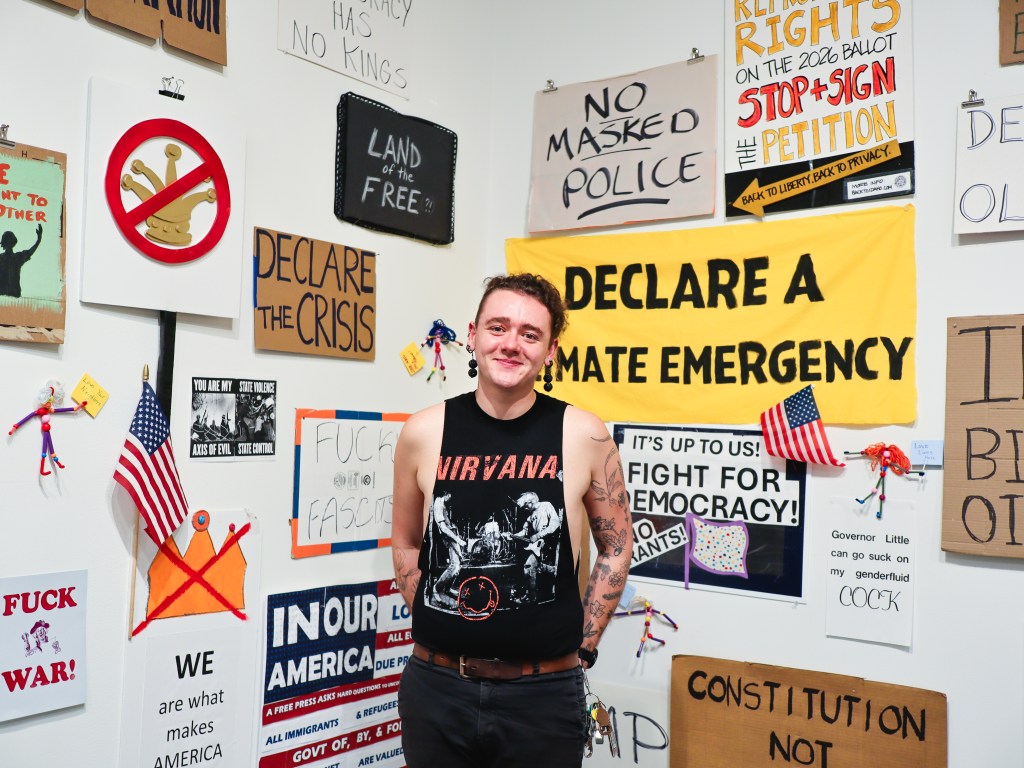
Hi y’all! My name is Nick Koenig and I have been in environmental and climate spaces working, teaching, researching, and community organizing for the past decade.
My work and community organizing works to address justice-centered and community-based questions and themes ranging in approach and methods. Overall, some of the past and current work I am doing includes themes of:
- the climate crisis & environmental relations
- dendrochronology/tree ring sciences
- botany & biogeography
- anti-colonial sciences & Indigenous sovereignty
- queer trans feminist geographies
- gendered & petrochemical fascisms
- critical, physical, & abolition geography
- creative, prison pedagogies & teaching
The values that drive my work stem from a deep commitment to place, communities, and land infused with arts-based approaches that are guided by reciprocity and joy. I am consistently interested in collaborating with folks engaged in community work especially in the Cincinnati, Ohio River Valley, and central Appalachian regions! Please do not hesitate to reach out.
Long Bio
My work has traced a winding path starting from a backyard garden in Louisville, Kentucky then leading to where I cut my teeth in organizing with the Kentucky Student Environmental Coalition and doing anti-pipeline and energy justice organizing. I then studied with the plant life of the Appalachian Mountains at Eastern Kentucky University where I completed a BS in Botany (May 2021) followed by serving as an AmeriCorps environmental educator. My graduate school studies then took me to the University of Cambridge where I completed an MPhil in Anthropocene Studies (August 2022) focused on the sociocultural and emotional, political ecologies of the American Chestnut tree extinction and subsequent impacts on Appalachian communities.
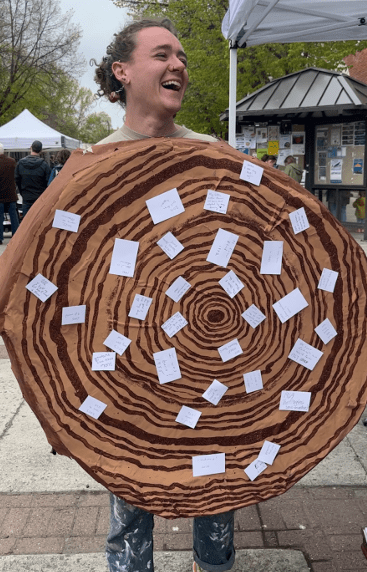
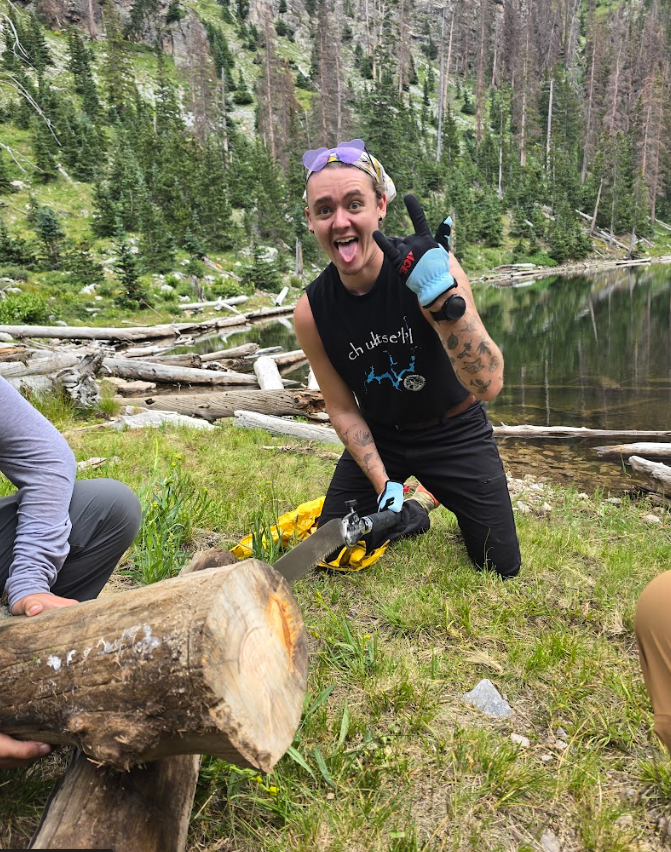
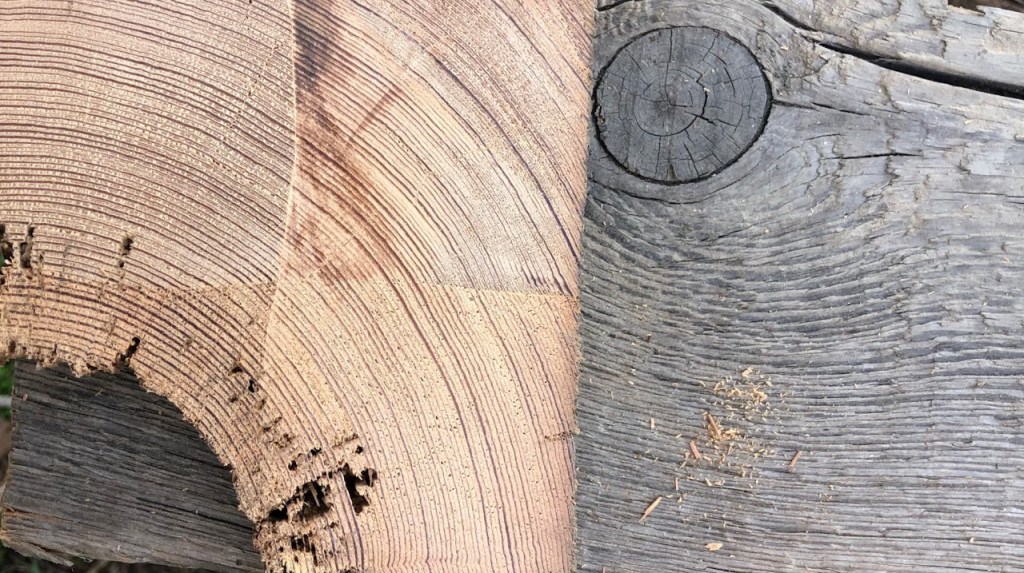
I just wrapped up a PhD in Geography and MA in English at the University of Idaho (Summer 2025) mentored by Dr. Grant Harley in the Idaho Tree Ring Lab & Dr. Erin James in the Confluence Lab where I have brought an undisciplined approach to projects that centered tree ring sciences in conversation with critical physical geography, narratology, climate pedagogies, abolition and Black geographies, anti-colonial studies, and jazz composing. My dissertation was titled “The Missing Ring: Tree Ring Scholar-Activism, Creative Justice-Based Pedagogies, & Community-Centered Geographies in the Climate Crisis.”
After finishing grad school, I worked as social science Post-Doctoral researcher on a National Science Foundation grant at the University of Idaho with Dr. Tara Hudiburg & Dr. Kristin Haltinner focused on studying the barriers on rural communities from adopting climate-minded land management strategies with a focus on building relations with Coeur d’Alene tribal voices and knowledges.
In January 2026, I joined the University of Cincinnati’s School of Environment & Sustainability mentored by Dr. Laura Zanotti & Dr. Amy Townsend-Small as a Charles Turner Post-Doctoral Fellow and I am thrilled to be returning to the plants, places, and peoples in and around the Appalachian region to explore more questions around the climate crisis and how best we can strive for collective climate liberation using community methods and creative, arts-based approaches!
Beyond the academia, I enjoy community organizing and direct action around food, climate, and prison justice with a wide variety of local groups.
Contact Information
Academic: koenignh [at] ucmail.uc.edu
Personal: kentuckynick [at] proton.me
Anti-Colonial Approach & Commitment to Land
Simply put, a land acknowledgement will never repair the histories of violence, genocide, forced removal and relocation that the United States has and continues to perpetuate to this day. The area where I currently reside is in Cincinnati and the greater Ohio River Valley which are the ancestral homelands of the Shawnee, Delaware (Lenni Lenape), Potawatomi, Miami, Wyandot, Seneca, Chippewa (Ojibwe or Anishinaabeg), Ottawa, and the Wapakoneta. Through my work and teaching, I extend gratitude to the Indigenous communities that have called and continue to call these lands home since time immemorial. Further, I work to push beyond the often static land acknowledgment through foregrounding indigenous ways of knowing, anticolonial sciences, Indigenous environmental scholars & activists, reading texts written and produced by Indigenous people and communities, building relationships with tribal members, foregrounding tribal voices and forms of relation/valuing of land in the curricula, resisting and rejecting extractive practices of knowledge consumption and production, and, finally, valuing pluralistic ideations of ecological worlds. More information regarding the greater Cincinnati and Ohio histories, presents, and futures of Indigenous relationality to place, check out the Urban Native Collective’s website.
Disclaimer: The views expressed here are those of the myself and do not reflect the official stance of the University of Cincinnati.
 Nick Koenig